
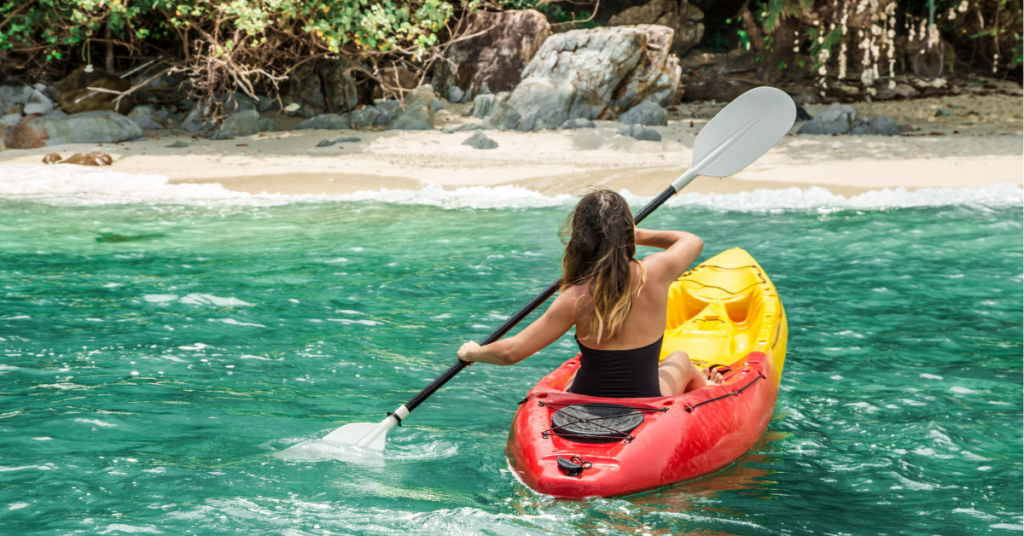
Hawaiʻi is known throughout the world for its natural beauty, outdoor lifestyle, and year-round recreation. From surfing legendary waves to hiking volcanic terrain, the islands offer recreational experiences that are difficult to find elsewhere. But Hawaiʻi’s rugged terrain and ocean conditions can make certain recreational activities more dangerous than many tourists and even some residents realize.
Each year, serious injuries and deaths occur during recreational activities in Hawaiʻi, such as hiking, ziplining, horseback riding, snorkeling, jet skiing, and surfing. In many cases, these accidents happen because people underestimate the risks, lack experience, or receive inadequate safety guidance. If you are injured while engaging in a recreational activity in Hawaiʻi, you may be able to pursue a personal injury claim with the help of our Honolulu personal injury attorneys.
At Miyashita & O’Steen, we offer skilled legal representation to clients who are injured in all types of accidents in Hawaiʻi, including while hiking, swimming, surfing, or boating. We offer free initial consultations and handle all cases on a contingency basis. Reach out to our law firm to talk to a Honolulu recreation accident lawyer.
Potentially Dangerous Recreational Activities in Hawaiʻi
There is so much to do and see in Hawaiʻi. Whether you simply want to lie by the pool or have a more adventurous vacation, you can find something that meets your needs. If you do decide to enjoy some recreational activities, it is important to understand which activities carry significant risks — and what you can do if you get hurt.
Ocean-Related Activities
The ocean is central to life in Hawaiʻi. While it is beautiful, many residents and visitors underestimate its power. Ocean conditions in Hawaiʻi can be unpredictable and create serious hazards.
Swimming in unprotected waters can be especially dangerous in Hawaiʻi. Many beaches do not have lifeguards or warning signs. Powerful shore breaks, sudden drop-offs, and strong currents can overwhelm even great swimmers.
These dangers aren’t just for tourists. Hawaiʻi has the second-highest drowning rate in the nation for residents. Drowning is also the number one cause of death for children aged 1 to 15 in Hawaiʻi.
Snorkeling is one of the leading causes of tourist fatalities in Hawaiʻi. Although snorkeling is often perceived as a relatively safe and accessible activity, it has been associated with a significant number of visitor drownings in Hawaiʻi. About 45 tourists drowned in the ocean each year in Hawaiʻi between 2019 and 2023, with snorkeling being the number one contributor.
Despite the dangers of snorkeling, many participants do not receive appropriate safety training or learn how to use their gear properly. Combined with rough or unpredictable ocean conditions, this can lead to snorkeling accidents, including drowning.
While absolutely iconic in Hawaiʻi, surfing is another potentially dangerous activity. Even experienced surfers may not recognize that the waves here are simply not the same as on the mainland. Powerful swells, shallow reefs, and crowded waters can increase the risk of serious injury.
Common surfing injuries include head trauma, broken bones, lacerations from reefs, and spinal injuries. In the most serious cases, surfing accidents can result in drowning or other fatal injuries.
Cliff jumping is another activity that has become popular on social media, but it can be extremely dangerous. When a person jumps off a cliff into the water, they may not be aware of hidden rocks below the surface, strong currents, changing tides, and shallower-than-expected water. All of these hazards can cause serious injuries and fatalities.
Finally, boating, jet skiing, and other watercraft activities can all be incredibly dangerous. The risks may increase when an operator is inexperienced or when weather and ocean conditions are poor. Speeding, alcohol use, and equipment failure can also contribute to boating and jet skiing accidents.
These incidents can lead to drowning and serious injuries. Whether you are a long-time Hawaiʻi resident or a tourist visiting the islands on vacation, it is important to take all safety precautions when out on the water. This includes wearing life jackets, avoiding drugs and alcohol, and maintaining safe speeds.
Land-Based Activities
The potential dangers of the ocean may be apparent to many people. What some don’t recognize is that land-based activities can be just as dangerous in Hawaiʻi. While Hawaiʻi’s landscapes are stunning, they can also be unforgiving.
Hiking is one of the most dangerous activities in Hawaiʻi. Even if you regularly hike on the mainland, Hawaiʻi’s climate and terrain can present challenges that differ from those on many mainland trails. High humidity, dense vegetation, muddy trails, steep drop-offs, and narrow ridgelines can present unique dangers. Each year, approximately 1,000 hikers are rescued across the state after they encounter dangerous conditions or simply cannot make their way back to safety.
Popular trails, such as ridge hikes and waterfall routes, have resulted in falls, rescues, and fatalities. Social media has also popularized hikes that are not safe or even closed to hikers. Unfortunately, this has led to many hikers suffering injuries from falls, heat exhaustion, dehydration, or getting lost or stranded.
Many popular hiking routes also lead to waterfalls and swimming holes. While these waterfalls are beautiful, climbing on wet rocks, jumping into the water, or swimming in waterfall pools can be risky. Dangers include flash flooding, slippery rocks, falling debris, and strong currents at the base. Even experienced hikers have been injured or killed at waterfalls around the islands.
Part of Hawaiʻi’s beauty also comes from its volcanic terrain. This landscape has many dangers, including unstable ground, sharp lava rocks, collapsing lava tubes, and toxic volcanic gases. Exploring lava fields or active volcanic areas without proper guidance or preparation can result in serious injuries.
Adventure Tourism Activities
Hawaiʻi is a major destination for adventurous activities, some of which take place on the ground or in the air. While these activities can be a lot of fun, they can also be dangerous.
Helicopter tours offer sweeping views of Hawaiʻi, but crashes can result in catastrophic or fatal injuries. Contributing factors to helicopter accidents include rapidly changing weather, pilot error, mechanical failures, and mountainous terrain. Because of the nature of helicopter crashes, the resulting injuries can be catastrophic or fatal.
Ziplining is another popular activity in Hawaiʻi, but one that comes with a fair amount of risk. Ziplining accidents can result from equipment failure, improper harnessing, poor maintenance, inadequate training, or environmental factors. Injuries can include broken bones, spinal cord injuries, internal organ damage, and brain injuries.
There are also many adventure activities involving animals in Hawaiʻi, such as horseback riding tours and marine life encounters. Accidents can often happen due to inadequate supervision or training, unsafe conditions, or unpredictable animal behavior. This can lead to a range of injuries, from broken bones to bites.
What Are My Options If I Am Hurt in a Recreational Activity in Hawaiʻi?
While there are so many great things to do in Hawaiʻi, these activities do come with certain risks. If you are hurt in a recreational activity in Hawaiʻi, you may be able to pursue a personal injury claim.
Not every recreational activity injury will lead to a lawsuit. In some cases, an injury may have been caused by a victim’s own actions or simply by uncontrollable circumstances. However, there are situations where another person, company, or government agency may be responsible for a recreational activity accident.
This may include situations such as:
- Failure to warn participants about known dangers
- Dangerous property conditions that are not repaired or disclosed
- Defective or poorly maintained equipment
- Inadequate safety instructions from a tour operator
- Failure to take reasonable safety precautions
Even when an activity is inherently risky, businesses still owe a duty of care to customers. Even if you signed a waiver before participating in an activity, a business could still be held liable for your injuries. For example, if a ziplining company shows a reckless disregard for participant safety by using damaged harnesses, the waiver might not hold up in court.
It isn’t always easy to know when you might have a potential claim. If you are a tourist, you might think that you don’t have a lot of options or time to meet with lawyers before you head back home. Our law firm offers free initial consultations so that you can explore your rights and options. We also handle all cases on a contingency basis, which means that you will never pay a fee unless we recover money for you.
Compassionate Legal Representation for Hawaiʻi Personal Injury Victims
When you head out to do something fun, the last thing that you expect is to get hurt. Unfortunately, even popular recreational activities can involve serious risks. Accidents involving hiking, snorkeling, swimming, and other activities can result in serious or fatal injuries.
Based in Honolulu, Miyashita and O’Steen represents clients throughout Hawaiʻi who have been hurt in all types of recreational activity accidents. Whether you are just visiting Hawaiʻi or are a local, we can help you pursue full and fair compensation for your injuries. To learn more or to schedule a free initial consultation with a Honolulu recreational activity lawyer, give us a call at 808-300-0068 or fill out our online contact form.