
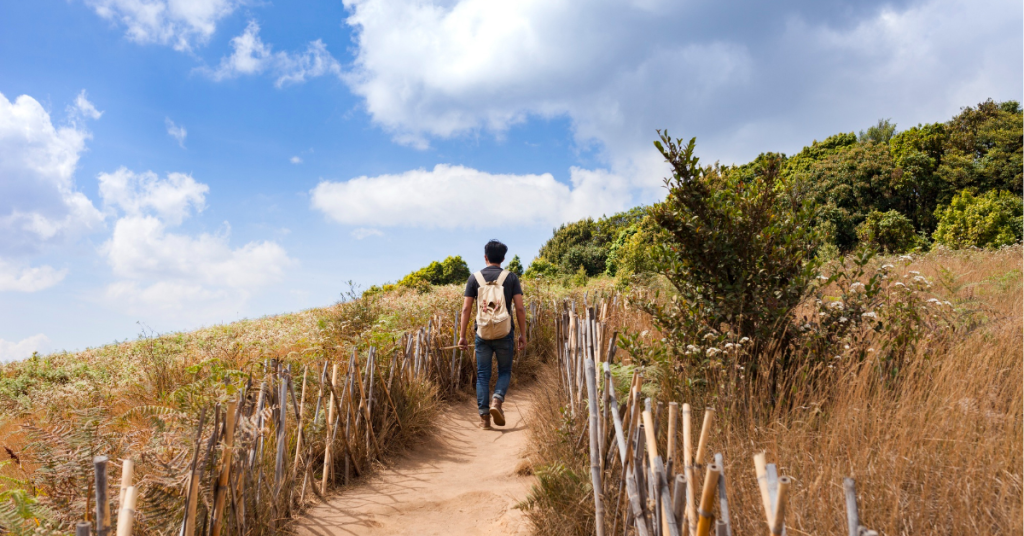
Hawaiʻi is home to some of the most breathtaking hiking trails in the United States. From rugged routes along the coast to lush rainforest paths, locals and tourists alike flock to the trails to experience our state’s incredible natural beauty. From trails at Diamond Head State Monument to Mānoa Falls Trail to Kalalau Trail, you can enjoy some absolutely amazing hiking in Hawaiʻi.
While these trails offer an incredible experience, they can also pose serious risks. Steep drop-offs, loose rocks, slippery conditions, and poorly maintained paths can all lead to injuries. When accidents occur on state-owned lands, hikers may be able to pursue a claim against the state of Hawaiʻi if the injury was caused by a failure to address a known dangerous condition, negligent trail maintenance, or another act of negligence.
At Miyashita & O’Steen, we are fierce advocates for clients who have been hurt in all types of recreational accidents, including those that occur while hiking on public lands. We will work hard to get you the compensation that you deserve for your losses and will never charge a fee unless we get money for you. Reach out to our law firm today to schedule a free consultation with a Hawaiʻi recreation accident attorney.
Hawaiʻi’s Duty to Maintain Public Trails
Many hiking trails in Hawaiʻi are owned by the state. The Hawaiʻi Department of Land and Natural Resources, Division of Forestry and Wildlife, has responsibility for maintaining these trails. Through this government agency, the Nā Ala Hele Trail and Access program is responsible for managing and maintaining designated public trails.
Generally, when the state opens land for public use, it has a duty to maintain those areas in a reasonably safe condition. This duty includes inspecting trails for dangerous conditions, repairing hazards within a reasonable timeframe, maintaining trail infrastructure (such as railings and bridges), and posting warning signs about known risks.
If the state fails to meet these obligations and someone is injured as a result, it may be held financially responsible for the injured person’s losses. For example, the Hawaiʻi Department of Land and Natural Resources (DLNR) settled a lawsuit with a woman who was injured while hiking in Waimea Canyon State Park. The woman had fallen on the trail, and a metal spike protruding from the middle of the path went into her right thigh. DLNR had installed the piece of rebar to reinforce a wooden step that later rotted away, exposing the metal hazard.
Of course, the state won’t be liable for hiking injuries in every case. Below, we explore some of the limits of liability for hiking injuries on lands owned by the state of Hawaiʻi. If you have been hurt while hiking in Hawaiʻi, our recreational accident lawyers can work to help you get justice.
When the State of Hawaiʻi May Be Liable for Hiking Trail Injuries
The Hawaiʻi State Tort Immunity Act includes a waiver of sovereign immunity (or governmental immunity). This means that the state can be sued in the same manner and to the same extent as a private individual under similar circumstances. Cities and counties also do not have sovereign immunity.
This means that the state of Hawaiʻi can be liable for hiking trail injuries in certain situations, just as private landowners may be liable for injuries on their property. If you can prove that the state or its employees were somehow negligent (careless) and that this negligence caused your injuries, you can recover financial compensation for your losses. These cases are brought under a theory of premises liability.
First, you may be able to file a lawsuit against Hawaiʻi for hiking trail injuries if you can show that it failed to address known dangerous conditions. If government officials either knew or should have known about a dangerous condition on a hiking trail and failed to either correct it or warn visitors, then the state could be held liable for any injuries that occur as a result.
Examples of dangerous conditions that could lead to hiking trail injuries include:
- A broken safety railing near an overlook or cliff
- A severely eroded trail section that creates a fall hazard
- A collapsed stairway
If government employees were aware of these types of hazards and did not take steps to address them, then injured hikers may have a claim against the state. This includes both injured residents and tourists hurt on hiking trails.
Second, Hawaiʻi can be held liable for an injury that results from negligent trail maintenance. For example, if the state does not repair a damaged bridge along a hiking trail and someone gets hurt on that bridge, Hawaiʻi may be responsible for that injury. If the poor trail maintenance makes a trail more dangerous than expected, then the state could be sued for any injuries.
Third, while hiking trails in Hawaiʻi naturally involve some level of risk, the state is responsible for warning about unusual and hidden dangers. This can include things like flash floods, rockfalls, unstable terrain, and unsafe trails. If the state fails to provide reasonable warnings about hazards that hikers would not otherwise expect, injured hikers may be able to pursue a claim against the state of Hawaiʻi.
Fourth, in some cases, the state may be held liable if the design of a hiking trail creates unreasonable risks. In particular, this may occur when the trail infrastructure (such as staircases or viewing platforms) is poorly designed or constructed. Similarly, if a trail route is placed in a dangerous location, it could lead to liability for the state under Hawaiʻi law.
Importantly, the state of Hawaiʻi is not liable for all hiking trail injuries. There are several situations where the state is not responsible for hiking injuries. This may include:
- Injuries that are caused by natural conditions, such as muddy terrain, uneven ground, falling rocks, and sudden weather changes.
- Injuries that are caused by risks that are open and obvious, such as a steep cliff edge or a slippery trail after a rainfall.
- Injuries that are caused by a hiker’s own actions, such as ignoring trail closure signs, climbing over safety barriers, or hiking in dangerous conditions despite warnings.
Hikers do still have a responsibility to exercise caution. Hiking presents certain risks, especially in rougher terrain. An injured hiker may be said to have assumed the risk by choosing to proceed on certain hikes.
If you have been hurt while hiking in Hawaiʻi, our Honolulu personal injury attorneys can help you determine your rights. While not every hiking trail injury will lead to a lawsuit, we can evaluate the facts of your case and help you determine how to move forward. Our team is experienced in bringing cases against both private landowners as well as the state of Hawaiʻi for hiking injuries and other types of recreational accidents.
There are different procedures that must be followed when filing a claim against the state or a local government agency. If you have been hurt while hiking in Hawaiʻi, we can help to ensure that your claim is brought correctly and on time. Contact us at any time to schedule a free consultation with a Hawaiʻi hiking accident lawyer.
Hurt While Hiking in Hawaiʻi? We Can Help.
Hiking in Hawaiʻi is an absolutely amazing experience. Unfortunately, it can also be dangerous. If you have been hurt in a hiking accident in a state-owned park or on a state-owned hiking trail, we will help you get the money that you deserve for your losses.
Miyashita & O’Steen represents victims throughout Hawaiʻi in all types of recreational accident claims, including those involving hiking injuries on state lands. We handle all personal injury cases on a contingency fee basis, which means that you’ll never pay a fee unless we recover money for you. To learn more or to schedule a free initial consultation with a Miyashita & O’Steen personal injury attorney, give us a call at 808-909-8770 or fill out our online contact form.