
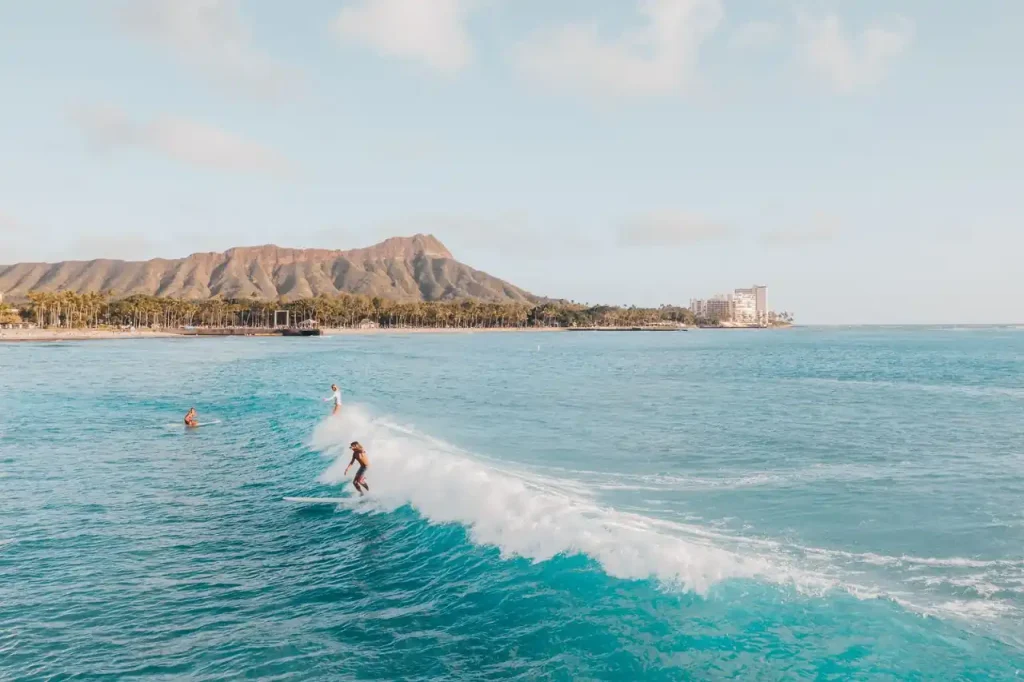
Surfing is synonymous with Hawaiʻi. From the legendary breaks of the North Shore to beginner-friendly waves in Waikīkī, thousands of residents and visitors hit the water every day. But while surfing can be exhilarating, it also comes with real risks.
When a surfing accident occurs due to powerful waves, a collision, or unsafe conditions, the consequences can be serious. While most surfing accidents do not lead to legal liability, it may be possible to file a lawsuit if your surfing accident was caused by someone else’s negligent, reckless, or intentional behavior. Our experienced Hawaiʻi personal injury attorneys can talk you through your options for filing a claim and help you achieve the best possible outcome.
At Miyashita & O’Steen, we offer compassionate legal representation to clients throughout Hawaiʻi who have been hurt in all types of accidents. Our work includes representing tourists and residents who have been hurt in recreational accidents in Hawaiʻi. Contact our law offices today to schedule a free consultation with a Hawaiʻi recreation accident lawyer.
Does Hawaiʻi Regulate Surfing Safety?
Hawaiʻi does not have a single, comprehensive “surfing law” that governs all aspects of the sport. However, that does not mean that surfing is unregulated. Instead, safety is addressed through a combination of statutes, administrative rules, and general negligence principles.
For example, Hawaiʻi law imposes a duty to use reasonable care on businesses that offer recreational activities. Under these laws, operators of recreational service companies must take reasonable steps to protect participants from harm. These companies can be held liable for injuries caused by negligence.
At the same time, the law recognizes that activities like surfing involve inherent risks. If a participant knowingly accepts those risks (such as by signing a liability waiver), operators of these companies may not be liable for injuries caused by those inherent dangers. Of course, waivers aren’t absolute, so it is always a good idea to talk to a Hawaiʻi recreation accident attorney about whether a liability waiver will prevent you from filing a lawsuit based on the specific facts of your case.
There are also more specific regulations that apply in certain contexts. For example:
- Tow-in surfing (where a surfer is pulled into waves by a jet ski or other “thrill craft”) is regulated by Hawaiʻi law, requiring certification, safety equipment, and adherence to strict operational rules.
- Ocean recreation rules require accident reporting and impose duties on vessel operators to render aid after an incident.
- Hawaiʻi law imposes a duty on property owners to protect visitors from dangerous conditions in certain circumstances. For instance, hotels may be liable if they fail to warn guests about known hazardous ocean conditions.
Ultimately, while surfing itself isn’t heavily regulated, the legal framework governing safety, negligence, and liability still applies. If you have questions about whether you may be able to pursue legal action for a surfing accident, our Hawaiʻi personal injury attorneys can help.
Causes of Surfing Accidents
Surfing accidents can happen for many reasons. In many cases, surfing accidents happen because of a mix of environmental hazards and human error. Understanding the cause of an accident is essential if you are trying to determine if someone may be liable for your surfing accident.
Common causes of surfing accidents include:
- Natural causes: Hawaiʻi’s ocean conditions are powerful and unpredictable. Even experienced surfers may be caught off guard by:
- Large or unexpected waves
- Rip currents and undertow
- Shallow reefs or rocky shorelines
- Sudden weather changes
These are generally considered inherent risks of surfing, meaning that they may not automatically create legal liability unless someone failed to provide adequate warnings.
- Collisions: Collisions are among the most common causes of surfing injuries and may involve:
- Surfer-to-surfer collisions
- Being struck by another surfer’s board
- Crashes involving swimmers or bodyboarders
In crowded surf spots, collisions often raise questions about negligence, especially if one surfer was acting recklessly or violating basic safety norms.
- Reckless surfing: Not all accidents are unavoidable. Some occur because a surfer behaves irresponsibly, such as:
- Dropping in on another surfer’s wave
- Surfing beyond their skill level
- Ignoring right-of-way customs
- Failing to maintain control of their board
Reckless behavior can form the basis of a personal injury claim if it directly causes harm.
- Improper training: Many visitors to Hawaiʻi take surf lessons, often for the first time. Accidents may occur when:
- Instructors fail to properly train students
- Students are taken into conditions beyond their ability level
- Supervisors fail to monitor participants
Surf schools and instructors have a duty to ensure participants are reasonably prepared for the conditions.
- Lack of safety instructions: Failing to provide clear safety instructions, especially to beginners, can significantly increase the risk of injury. This may include:
- Not explaining how to fall safely
- Failing to warn about hazards like reefs or currents
- Not providing guidance on surf etiquette
When safety instructions are inadequate, liability may shift to the instructor or operator.
- Defective boards or equipment: Equipment failure can also lead to serious accidents. Examples include:
- Broken leashes (which can cause boards to become dangerous projectiles)
- Defective fins or structural flaws in boards
- Poorly maintained rental equipment
In these cases, manufacturers, rental companies, or maintenance providers may be held responsible.
- Unsafe conditions: Some accidents occur because a location is unsafe and no warning was provided. This can include:
- Hidden underwater hazards
- Dangerous shore break conditions
- Lack of lifeguards in high-risk areas
Businesses and property owners may be liable if they knew or should have known about these dangers and failed to warn surfers.
Typical Surfing Injuries
Surfing accidents can result in a wide range of injuries, from minor to catastrophic. Common injuries include:
- Head injuries and concussions from board impacts
- Spinal cord injuries, especially in shallow water
- Fractures and dislocations from collisions or wipeouts
- Lacerations caused by fins or reefs
- Drowning or near-drowning incidents
- Soft tissue injuries, including sprains and strains
Because many surfing injuries occur in open water, immediate medical care may be delayed. Delayed treatment can increase the severity of the outcome.
Who Can Be Held Responsible for a Surfing Accident in Hawaiʻi?
Most surfing accident cases will not result in legal liability. For example, if you choose to go out surfing on your own (without a surfing school or tour company) and get hurt when you hit some rocks, there may be no legally responsible third party. That simply may be a matter of bad luck associated with the inherent risks of the sport.
However, there are situations in which you may be able to file a lawsuit against one or more of the following parties:
- Other Surfers: If another surfer acted negligently or recklessly and caused a collision, they may be liable for your injuries.
- Surf Schools and Instructors: Companies offering surf lessons have a duty to provide proper instruction, use safe equipment, and match students with appropriate conditions. Failure to meet these obligations can result in liability.
- Tour Operators and Rental Companies: Businesses that rent boards or organize surf excursions must ensure that the equipment is safe and well maintained and that participants are given adequate safety information. Negligence in either of these areas can lead to legal claims for any surf accident injuries.
- Property Owners and Hotels: Under Hawaiʻi law, hotels and certain property owners may be liable if they fail to warn guests about known ocean hazards. However, their liability is limited, especially for conditions that they did not create.
- Equipment Manufacturers: If a defective surfboard or accessory caused the accident, the manufacturer or distributor may be liable under product liability laws.
- Government Entities: In some cases, government agencies responsible for beach maintenance or safety may potentially bear liability, particularly if a hazardous condition was known but not addressed.
Surfing accident claims can be legally and factually complex. An experienced Hawaiʻi surfing accident lawyer can play a crucial role in determining whether another party may be liable. The attorney can investigate the accident, identify potentially responsible parties, and navigate waivers and other legal defenses.
If you do have a potential claim, your attorney can file a lawsuit and negotiate with insurance companies. Throughout the process, they will advocate for your best interests to help you pursue full and fair compensation for your medical bills, lost wages, pain and suffering, and other losses.
Hurt in a Surfing Accident? Reach Out Today.
Surfing is one of Hawaiʻi’s most popular recreational activities, but it also carries significant risks. When a surfing accident occurs, the aftermath can be physically, emotionally, and financially overwhelming. While not every accident will lead to a lawsuit, our law firm can help you get the compensation that you deserve if another person caused your surf accident injuries.
At Miyashita & O’Steen, we offer compassionate legal representation to victims of all types of accidents in Hawaiʻi. We handle all cases on a contingency basis, which means that you will never pay a fee unless we recover money for you. To learn more or to schedule a free initial consultation with a Hawaiʻi surf accident attorney, give us a call at 808-909-8770 or fill out our online contact form.