
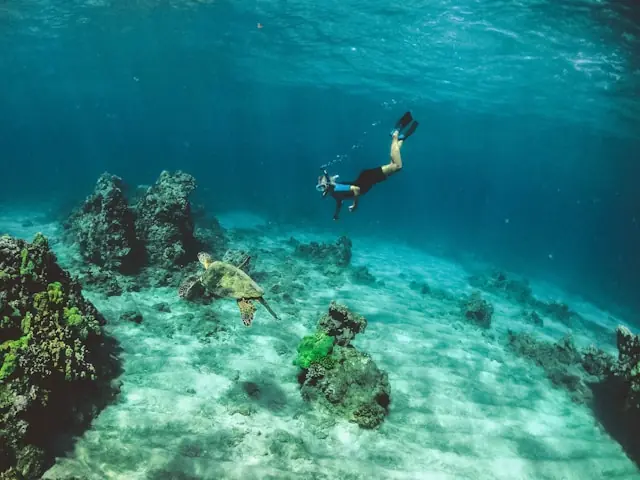
Scuba diving is one of Hawaiʻi’s most iconic and unforgettable experiences. But when something goes wrong beneath the surface, the consequences can be severe. From equipment failures to rapid ascents, scuba diving accidents can lead to serious injuries or even fatalities.
If you are injured while diving in Hawaiʻi, there are certain steps that you can take to protect both your health and your legal rights. This includes seeking medical attention, reporting the incident, avoiding giving a statement or signing anything, and talking to a Honolulu personal injury attorney. Our team will fight to get you maximum compensation for your losses from a Hawaiʻi scuba diving accident.
At Miyashita & O’Steen, we represent residents and tourists alike on a range of personal injury matters throughout Hawaiʻi. We work diligently to help our clients get justice for their losses. Reach out to our law firm today to schedule a free consultation with a Hawaiʻi recreation accident lawyer.
Understanding the Risks of Scuba Diving in Hawaiʻi
Hawaiʻi’s crystal-clear waters and vibrant marine life attract divers from around the world. However, diving in the Pacific Ocean comes with unique risks. Conditions can often change rapidly, and unfamiliar environments can catch even experienced divers off guard.
Common causes of scuba diving accidents include:
- Rapid ascents
- Equipment malfunction or failure
- Poor training or inadequate supervision
- Running out of air
- Strong currents or rough water
- Medical emergencies, including cardiac events
- Entanglements or underwater collisions
While scuba diving is generally safe when done correctly, accidents do happen. In many cases, diver error or failure to follow proper procedures can lead to a scuba diving accident.
Scuba diving accidents can result in a wide range of injuries, some of which are unique to underwater environments. Common injuries include:
- Decompression sickness occurs when nitrogen bubbles form in the bloodstream due to rapid ascent.
- Arterial gas embolism is a life-threatening condition that can happen when air bubbles block blood flow to vital organs.
- Drowning or near-drowning is one of the most serious risks associated with any water activity, including scuba diving.
- Barotrauma involves damage to the ears, sinuses, or lungs caused by pressure changes.
- Marine life injuries may include stings, bites, or venom exposure from marine life.
- Traumatic injuries, including fractures, head injuries, or spinal damage, can happen due to collisions or boat accidents.
These injuries often require extensive treatment, rehabilitation, and time away from work. In these situations, getting full compensation for your losses is even more important. Our seasoned Hawaiʻi scuba diving accident lawyers will work to ensure that you get the most compensation for your losses.
What to Do If You’re in a Scuba Diving Accident in Hawaiʻi
No one expects to be in a scuba diving accident. If you are hurt while scuba diving in Hawaiʻi, following these steps can help to protect your rights.
Seek Immediate Medical Attention
Your health should always be your top priority. After a scuba diving accident, seek medical care immediately, even if your symptoms seem minor.
Some injuries, such as decompression sickness (the “bends”) or arterial gas embolism, may not present symptoms right away. However, they can quickly become life-threatening. Symptoms to watch for include:
- Dizziness or confusion
- Joint or muscle pain
- Difficulty breathing
- Numbness or paralysis
- Chest pain
- Loss of consciousness
Prompt treatment, often in a hyperbaric chamber, can make the difference between full recovery and permanent injury.
Report the Incident
After receiving medical care, report the accident to the appropriate parties. This may include:
- The dive operator or tour company
- Boat crew or instructor
- Local authorities or lifeguards
If the accident occurred during a guided dive, the company should create an incident report. Request a copy for your records. Documentation is crucial for any future legal claim.
Gather Evidence
Evidence plays a critical role in determining what caused the accident and who may be responsible. If you are able to (or with help from someone else), try to collect:
- Photos or videos of the dive site, boat, or equipment
- Your scuba gear, especially if you suspect a malfunction
- Names and contact information of witnesses
- Dive logs and computer data
- Medical records documenting your injuries
In many cases, the cause of a diving accident is not immediately clear. Investigations often reveal multiple contributing factors, including operator negligence or defective equipment.
A thorough investigation is essential in any scuba diving injury case. Key questions include:
- Was the equipment properly maintained?
- Were safety protocols followed?
- Was the diver adequately trained?
- Did environmental conditions play a role?
- Was there a delayed or inadequate emergency response?
As discussed in greater detail below, an experienced Hawaiʻi scuba diving accident lawyer will work with experts to reconstruct the accident and identify all responsible parties.
Avoid Signing Anything or Giving a Statement
Many dive operators in Hawaiʻi require participants to sign liability waivers before entering the water. While these waivers are common, they do not automatically prevent you from pursuing a claim.
Hawaiʻi law provides that owners and operators of recreational activities are not liable for losses that arise from the inherent risks associated with the activity if that person voluntarily signs a written waiver. To be valid, a waiver must fully disclose these inherent risks, and the owner/operator must make sure that the participant is physically capable and has received the necessary instructions to participate in the activity.
Waivers also do not protect a company from lawsuits based on its negligent, intentional, or reckless conduct. It is important to understand that signing a waiver before participating in an activity does not automatically mean that you cannot file a lawsuit for your scuba diving injuries.
After an accident, you may be asked to sign additional documents or provide a statement. You may believe that you don’t have a choice or that it doesn’t matter because you already signed a waiver. However, it is always best to consult with a Hawaiʻi recreation accident attorney before signing anything or giving a statement to avoid unintentionally harming your potential claim.
Document Your Losses
If you plan to pursue a personal injury claim (or just think that you might), it’s important to document all damages related to your accident. This may include:
- Medical expenses (current and future)
- Lost wages and reduced earning capacity
- Pain and suffering
- Emotional distress
- Rehabilitation and therapy costs
Your lawyer can assist you with documenting these and other expenses. For example, to document pain and suffering and emotional distress, your attorney may advise you to keep a daily journal to record your recovery and its impact on you, both physically and emotionally.
Be Mindful of Time Limits
Like all personal injury cases, scuba diving accident claims are subject to statutes of limitations. In Hawaiʻi, the statute of limitations for personal injury cases is generally two years from the date of the accident. However, this timeframe may change based on other factors, such as the application of maritime law.
Failing to file a lawsuit within the required deadline can result in losing your right to compensation. It also means that important evidence to support your claim may be lost or destroyed. For these reasons, it is a good idea to start the legal process sooner rather than later.
Talk to a Hawaiʻi Recreational Accident Attorney
Scuba diving accidents are complex. To start, there are several different parties that may be liable for a Hawaiʻi scuba diving accident. This could include:
- Dive operators and tour companies: If the company failed to provide proper training, supervision, or safe equipment, they may be held liable under Hawaiʻi negligence laws.
- Dive instructors or guides: Improper instruction, poor decision-making, or failure to monitor divers can lead to serious accidents.
- Equipment manufacturers: If faulty gear contributed to the accident, a product liability claim may be appropriate.
- Boat operators: Accidents involving dive boats, such as collisions or unsafe conditions, may lead to liability.
- Property owners: If the dive site is privately managed and unsafe conditions were not addressed, it may be possible to file a premises liability lawsuit.
Scuba diving cases also may involve a combination of Hawaiʻi personal injury law and maritime law, making them more complex than standard accident claims. There may also be an issue related to liability waivers. This makes it even more important to have a seasoned Hawaiʻi scuba diving accident attorney to represent your interests.
An experienced Hawaiʻi personal injury attorney can:
- Investigate the accident
- Preserve critical evidence
- Work with experts with technical diving knowledge
- Identify all responsible parties
- Handle all insurance company communications
- Pursue maximum compensation on your behalf
If your injuries are severe or if liability is disputed, it is even more important to have legal guidance. This can help to increase the odds of a successful outcome for your case.
Help for Hawaiʻi Scuba Diving Accident Victims
There are few things more awe-inspiring than going scuba diving. While this activity is generally safe, it can also result in serious injuries due to faulty equipment, poor safety practices, or negligence. In these situations, scuba diving accident victims have the right to seek compensation.
Based in Honolulu, Miyashita & O’Steen advocates for accident victims throughout Hawaiʻi. We have experience handling all types of recreational accidents, including those involving scuba diving and negligent companies. To learn more or to schedule a free initial consultation with a Hawaiʻi scuba diving accident attorney, give us a call 808-909-8770 at or fill out our online contact form.